

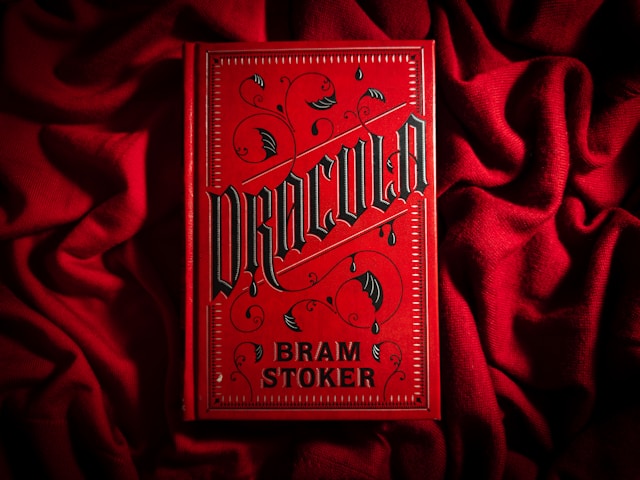
Dracula remains a remarkably effective Gothic novel whose greatest achievement is not simply creating an immortal villain, but sustaining an atmosphere of mounting dread through ingenuity of form and unwavering conviction.
First published in 1897, Bram Stoker's Dracula is a Gothic horror novel told through letters, diary entries, newspaper clippings, and other documents. It follows a group of individuals who gradually come to understand and confront the mysterious Count Dracula, and over time it has become one of the defining works of horror literature, shaping countless later interpretations of the vampire myth. (britannica.com, en.wikipedia.org)
What impresses me most is how carefully Stoker builds uncertainty. Rather than presenting horror as a succession of shocking moments, he allows fear to emerge through accumulating fragments of evidence, each one enlarging the reader's understanding while preserving the sense that something remains beyond explanation. The epistolary structure serves this purpose exceptionally well, creating the impression that the story has been assembled from genuine records rather than invented for dramatic effect. It is a novel deeply interested in the collision between modern knowledge and ancient superstition, and it explores that tension with far more seriousness than its reputation as a simple vampire story might suggest.
Its greatest strength is its atmosphere. Even when comparatively little is happening on the surface, the novel maintains an almost continuous sense of unease. Stoker demonstrates remarkable patience, allowing suspense to grow through suggestion rather than spectacle. That confidence in gradual escalation is one reason the book has retained its power despite more than a century of imitation.
Its weakness, for me, lies in its uneven pacing. The opening sections possess extraordinary momentum, but later chapters occasionally become repetitive as multiple documents revisit similar events from different perspectives. The accumulation contributes to the novel's realism, yet it also slows the narrative in places where greater compression might have strengthened the emotional impact.
On my scale, four and a half stars are reserved for books that achieve their ambitions with unusual distinction while retaining a few imperfections that keep them from complete mastery. Dracula belongs comfortably in that category. Its influence is undeniable, but more importantly, its craftsmanship continues to reward careful reading beyond its historical importance.
I would recommend Dracula most readily to readers who enjoy classic Gothic fiction and who appreciate horror that relies on atmosphere, psychological tension, and carefully sustained suspense rather than relentless action or graphic violence.